Data Center Development in Partnership with Sovereign Tribal NationsPonte Vedra Beach · Atlanta
Sunrise breaking beside a sandstone butte in the desert Southwest

TribalPhoenix, LLC

Sovereign land. National infrastructure. Shared prosperity.

We partner with Tribal Nations to bring the next generation of data centers to the places best prepared to host them, on terms written by the Nations themselves. Rights, power, sites, construction, government affairs and long-term management, delivered by one accountable team.

Desert Southwest at sunrise
96+countries where our principals have built network and data center infrastructure
42data centers operated under our principals' leadership at Internap
~2,600 GWof projects waiting in the U.S. grid interconnection queue
~5 yrsaverage wait to connect a new project to the grid

The Land

Tribal lands hold what the next generation of infrastructure needs

Wind on the high plains, heat beneath the desert, water in the Gulf South, and room to build across millions of acres governed by sovereign Nations.

TRIBAL PHOENIX SOVEREIGN INFRASTRUCTURE

The Name

A name that carries a promise

The phoenix is among the oldest emblems of renewal: the bird that rises, stronger, from what came before. We chose it to describe what this moment can mean for Tribal Nations and for the country.

Tribal
Sovereign Nations, recognized in the U.S. Constitution, treaties and federal law, with authority over their own land, regulation and taxation. Every project begins and ends with a Nation's own decision.
Phoenix
From the Greek phoínix, a radiant bird reborn in fire and linked in antiquity with the rising sun. Across many cultures it stands for endurance and renewal.
The mark
A phoenix with wings raised, crest swept back and tail fanned like flame. It is drawn in a single solid color so it reads clearly at any size, from a building sign to an embroidered cuff.

The Firm

One accountable partner for every party at the table

TribalPhoenix secures the rights, concessions, sites, power, construction, political support and long-term management required to establish data centers in partnership with Tribal Nations.

A hyperscale campus touches a remarkable number of interests at once: a Tribal council and its citizens, a developer and its lenders, a utility and a grid operator, federal agencies, state regulators, neighboring counties and elected officials at every level. Most projects fail in the gaps between them. TribalPhoenix exists to close those gaps.

We hold exclusive representation rights with a number of Tribal Nations across the Great Plains, the desert Southwest, California and the Gulf South. For those Nations, we organize the legal, technical, financial and governmental work that turns land and energy into a bankable project. For developers and hyperscale tenants, we present sites that are already diligenced, with sovereign governance, a clear consent process and a realistic path to power.

Our leadership combines the partners of Conway Eader, Attorneys at Law, with Gregory A. Peters, a former NASDAQ-listed CEO and Presidential appointee to the National Infrastructure Advisory Council. Together, our principals have built central office, network and data center facilities in more than 96 countries.


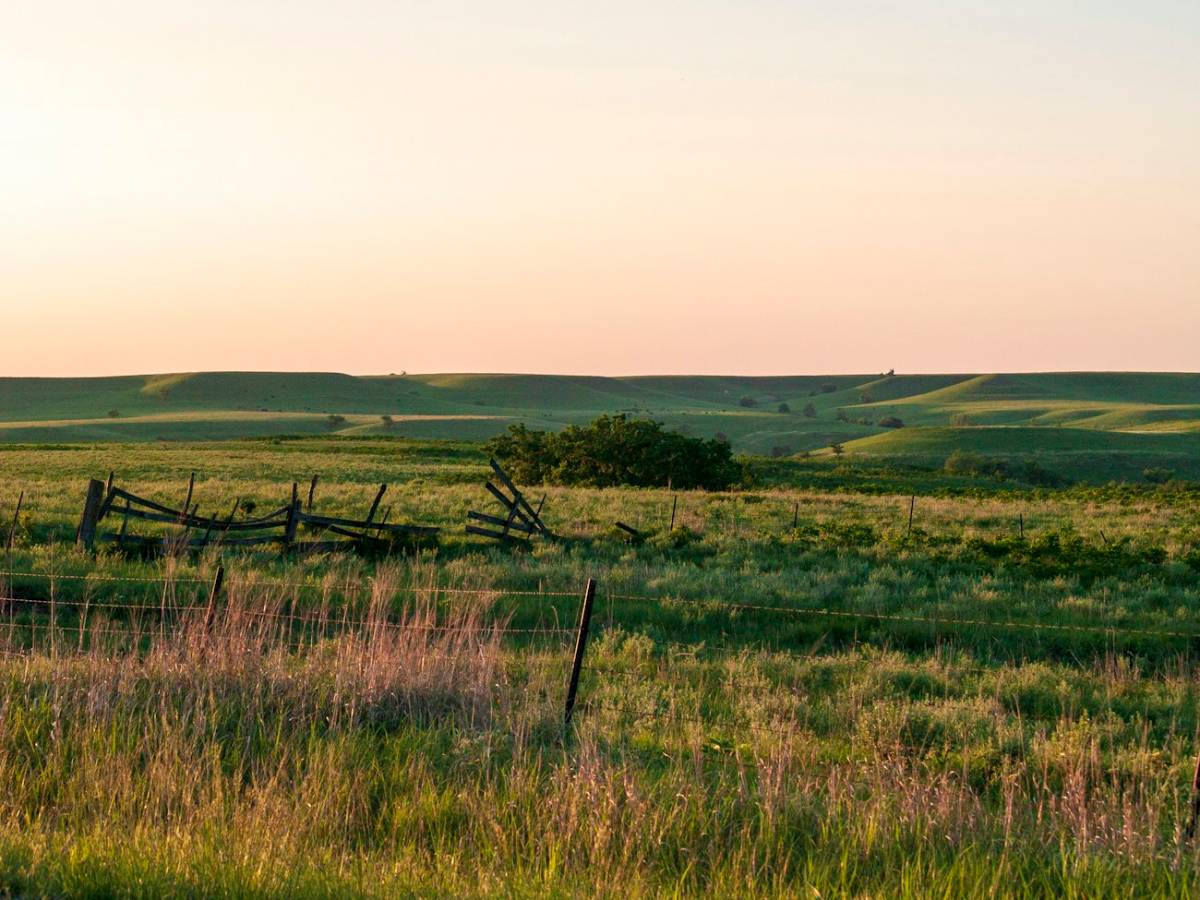
Evening light over open prairie rangeland and an old fence line
Northern Plains rangeland. Tribal lands hold some of the strongest wind resources and largest contiguous parcels in the country.
25+ yrsbuilding and scaling infrastructure, telecommunications and technology companies
22×market capitalization growth delivered in a public data center and network turnaround
12 yrsadvising two Presidents on critical infrastructure protection

Why Tribal Lands

The right place, the right rules, the right moment

Tribal Nations combine three things almost nowhere else in the country offers together right now: land at scale, energy and water resources, and a sovereign permitting process that does not run through the state legislatures now passing moratoriums.

Energized faster

Sovereign permitting paired with existing interconnection points can cut years from a conventional timeline, when the national queue averages roughly five years.

Power resources

Top-tier wind, stranded geothermal baseload that cannot reach the grid economically, and potential federal hydropower allocations. A data center uses power on site, so stranded energy becomes an asset.

Land at scale

Developers need 100 to 2,000+ buildable acres outside hazard zones. Several partner Nations hold contiguous land bases measured in the tens of thousands of acres, or more.

Sovereign regulation

Under the federal HEARTH Act, a Nation writes and enforces its own modern leasing rules for water, environment, labor and taxation.

Durable terms

A Tribal ground lease and Tribal business tax sit outside state and county tax rolls. Developers gain predictable, multi-decade terms a future legislature cannot claw back.

Water stewardship

We require closed-loop or air-cooled designs and independent, Tribally controlled metering. The disputes over unmetered water use elsewhere are designed out from the first term sheet.

Community standing

A ratified, transparent, Nation-governed process is now a financing and offtake prerequisite. It gives tenants the legitimacy a contested rural rezoning cannot.

Federal support

The Department of Energy's Office of Indian Energy runs a dedicated Tribal Data Center Exploration Cohort with technical assistance and deal review.

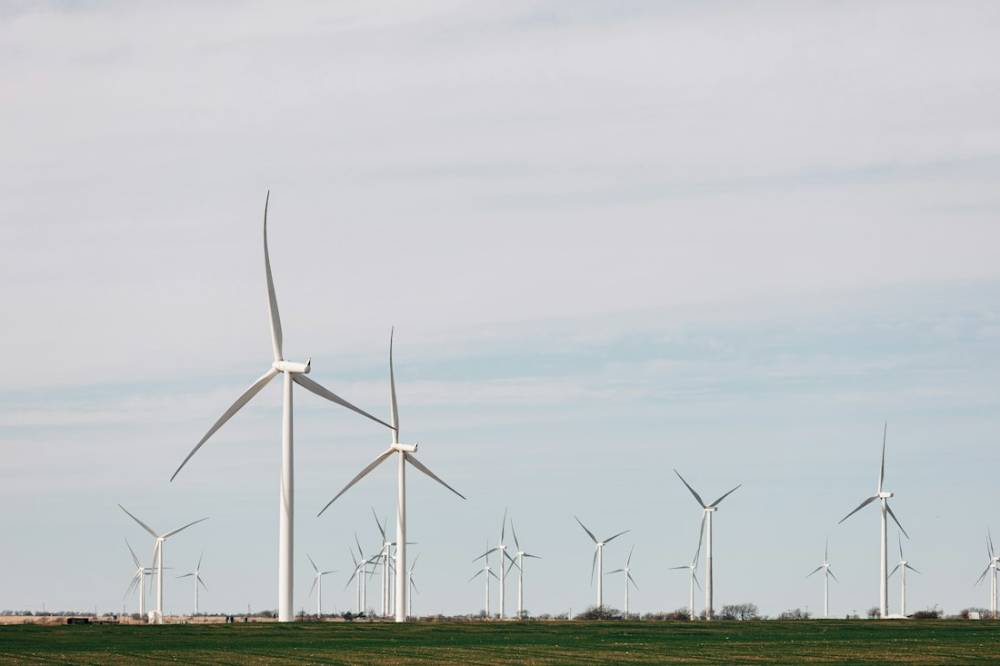
A line of wind turbines across flat open country
The constraint that keeps stranded power off the grid is exactly the condition a data center needs.The TribalPhoenix thesis

Why Now

The traditional path is closing. Demand is not.

Water disputes, electricity-rate anger and land-use fights have made data center siting a defining, bipartisan issue of the 2026 cycle. Hyperscale capital is searching for places that can be energized faster than the queue allows.

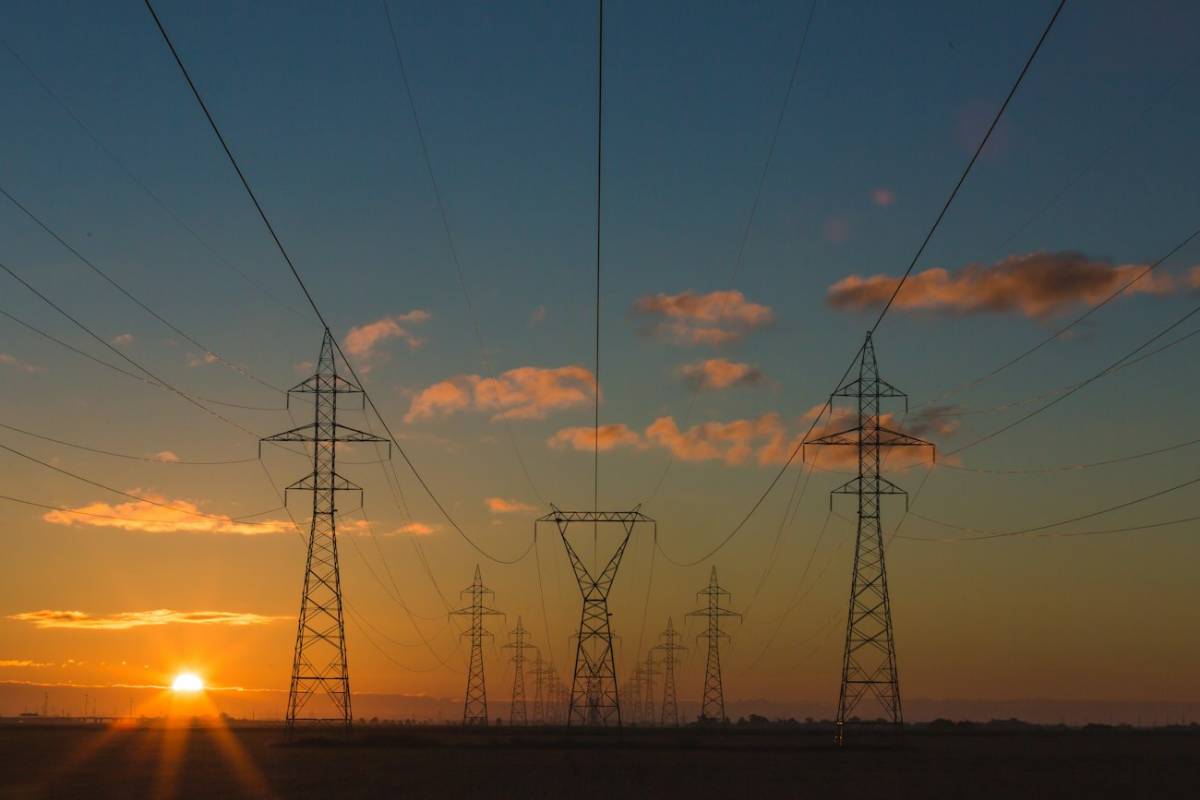
High-voltage transmission towers marching toward a setting sun
Transmission headroom is now the scarcest asset in American infrastructure.
12

states have filed data center moratorium bills, and New York has enacted the first statewide permitting moratorium.

157

data center bills pending across 36 state legislatures, covering ratepayer protection, environmental review and land use.

77%

of voters say they worry data centers will raise their electricity rates.

$600B+

in hyperscaler and neocloud capital expenditure estimated for 2026, with each of the four largest buyers spending more than $100 billion.

15+ GW

projected U.S. shortfall of data center capacity relative to demand by 2030.

Sources: Good Jobs First; Brookings Institution; Lawrence Berkeley National Laboratory; McKinsey & Company; industry capital expenditure tracking, 2026.

A Solution for Every Stakeholder

When the structure is right, everyone wins

Data centers have become a zero-sum fight in too many places. Hosting them on Tribal land, under Tribal rules, turns that fight into an outcome each party can support.

Layered badlands formations rising above prairie grass

Ownership, not a lease check

Too many resource deals have treated Nations as passive landlords. We structure every project so the Nation participates as an owner of the power, the revenue and the decisions.

  • Equity and power-sale revenue tied to the facility's ongoing output, rather than flat per-acre rent fixed for decades.
  • Community infrastructure funded first: water systems, broadband, clinics and schools paid from signing and milestone capital.
  • A reserved share of power and fiber for Tribal government services, written into the lease as a firm carve-out.
  • Workforce and local-hire commitments made binding in the contract, with honest expectations about permanent job counts.
  • The right to say no. A council's decision to pause or decline is as legitimate as a decision to proceed.

Our Relationships

Partner Nations, each on its own path

TribalPhoenix holds exclusive representation rights with Tribal Nations across four regions. No two are alike, and we never treat them as interchangeable. Each Nation's role is matched to its land, resources and priorities.

Wind turbines over green plains
Northern Great Plains

A Plains Nation with world-class wind

One of the largest land bases in Indian Country, decades of Tribal wind development, and confirmed headroom on an existing federal transmission line.

Land base
Millions of acres
Signature asset
Class 7 wind
Grid
Confirmed headroom
Flagship energy-led campus
Dawn over desert canyon country
Southern California Desert

A desert Nation above geothermal baseload

Reservation lands within one of the nation's strongest untapped geothermal resource areas, where permitted generation sits idle for lack of transmission.

Land base
Tens of thousands of acres
Signature asset
24/7 geothermal
Model
Behind-the-meter
Flagship geothermal campus
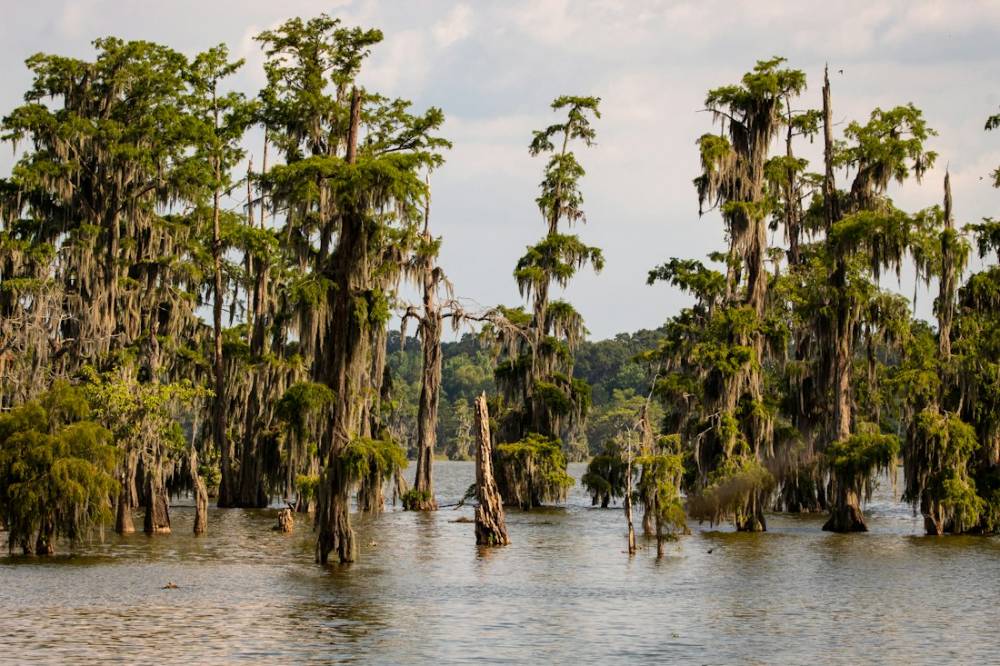
Cypress trees in Gulf South wetlands
Gulf South

A Gulf Nation already HEARTH Act certified

Water-abundant land, proximity to Gulf Coast fiber, decades of complex commercial operations and an approved Tribal leasing ordinance already in force.

Leasing authority
Certified
Water
Abundant
Fiber
Subsea-cable region
Fastest to close
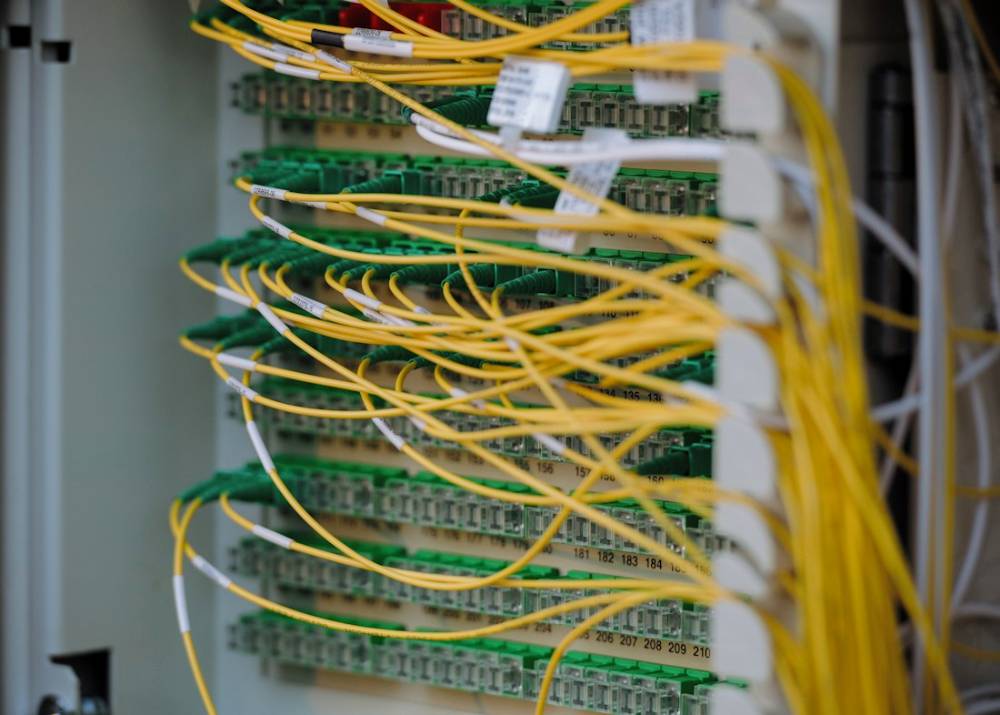
Fiber optic cables patched into a network panel
Upper Midwest

A Nation near a regional technology hub

Proximity to a growing metro fiber corridor and two decades of Tribal solar and regulatory innovation, suited to a moderate-scale facility or co-development stake.

Fiber
Metro corridor
Energy
Tribal solar fleet
Scale
Moderate
Equity co-development
A bison in profile
Missouri River Basin

A river Nation where water comes first

Potential federal hydropower eligibility, with a clear sequence: the Nation's own drinking-water infrastructure is completed before any commercial project proceeds.

Energy
Hydropower potential
First priority
Water system
Horizon
Phase two
Infrastructure first
Saguaro silhouettes at dusk
Southwest & Eastern Sierra

Smaller Nations with outsized voices

Nations whose land bases cannot host a campus participate through equity, vendor and microgrid roles, land and water advocacy, and leadership in a joint Native Nations consortium.

Role
Participation
Advocacy
Land & water rights
Voice
Consortium seat
Partner & advocate

Partner Nations are described by region and resource profile. Nation names, deal terms and project details are shared only with the consent of each Nation's government. Photographs are representative of each region.

Services

From first conversation to commissioned campus

We cover the full life of a project, so no stakeholder falls through the gaps between law firms, consultants, contractors and lobbyists.

Rows of server cooling fans inside a data hall
Rights

Rights & Concessions

Securing the land, energy, water, rights-of-way and easements a project needs, with every affected interest at the table before a site is chosen.

  • Surface, subsurface and cultural-resource review
  • Exclusivity and term-sheet negotiation
Sites

Site Acquisition & Readiness

Identifying, assembling and diligencing parcels against the developer checklist, then presenting sites ready to underwrite.

  • Hazard, title and land-status screening
  • Fiber route and transmission feasibility
Power

Energy & Power Structuring

Designing energy-led projects in which the Nation owns generation and sells firm power to the campus, from wind, geothermal or hydropower.

  • Tribal energy entity formation
  • PPA and interconnection strategy
Law

Sovereign Regulatory Framework

Drafting and certifying HEARTH Act leasing ordinances, Tribal tax codes and water, environmental and labor standards.

  • BIA certification support
  • NEPA and Section 106 coordination
Capital

Deal Structuring & Capital

Negotiating equity, revenue-share and lease structures, and pairing private capital with federal financing tools.

  • Competitive developer RFPs
  • DOE, EDA, USDA and NTIA programs
Policy

Government Affairs & Advocacy

Engaging federal agencies, Congress, state regulators and local officials to secure approvals, appropriations and policy support.

  • Congressional and agency engagement
  • FERC and state utility proceedings
Build

Construction & Program Management

Overseeing design, procurement and construction of facilities and supporting infrastructure, with resilience engineering specified up front.

  • Owner's representation
  • Local-hire and workforce programs
Operate

Operations & Asset Management

Managing the Nation's interest over the life of the asset: compliance, metering, revenue reporting and renewal negotiations.

  • Independent water and power audits
  • Lease renewal and repricing
Consent

Community Engagement & Ratification

Supporting councils in briefing citizens openly and conducting ratification votes before any binding commitment.

  • Citizen briefings and materials
  • Joint Nations consortium coordination
A storm building over open prairie at dusk

The TribalPhoenix Standard

Commitments we write into every engagement

The deals that have drawn the sharpest criticism in Indian Country share avoidable flaws. Our standard forecloses each of them in writing, before any exclusivity begins.

Consent that is staged and ratified

A non-binding term sheet first, then a ratification vote of the Nation's citizens before any binding lease, power agreement or easement is signed.

No gag agreements

No confidentiality clause may stop a council from briefing its citizens on deal structure, resource use and revenue. Pricing can stay private. The deal itself cannot.

Equity over flat rent

Nations participate through ownership, power sales and revenue share, contracted through Tribal energy entities that protect Tribal government from commercial liability.

Metered, low-water design

Closed-loop or air-cooled cooling as a contract condition, with independent, Tribally controlled, real-time metering of every withdrawal.

Community needs first

Part of every signing bonus funds the Nation's own infrastructure before or alongside construction. A community without safe water is never asked to host a new water user.

Standard terms with a real exit

Primary terms near 25 years with renewals preserved, decommissioning bonds sized to full remediation, and reversion of land and improvements on default.

How an Engagement Unfolds

A deliberate path, paced to each Nation

  1. Days 0–30

    Listen & Assess

    Council priorities, land, water, power and fiber reviewed against the full developer checklist.

  2. Days 30–90

    Certify & Prepare

    HEARTH Act ordinance work, federal technical assistance and a common term-sheet framework.

  3. Days 90–180

    Structure & Advocate

    Energy entity design, utility capacity confirmation and federal and congressional engagement.

  4. Months 6–12

    Compete & Ratify

    A competitive process among qualified developers, followed by citizen ratification.

  5. Months 12–36

    Build

    Phased construction of generation, fiber, community infrastructure and the campus.

  6. Life of asset

    Operate & Renew

    Audited metering, revenue reporting and renegotiation at each renewal.

Leadership

Counsel and operators who have built this before

TribalPhoenix, LLC is led by Gregory A. Peters together with the partners of Conway Eader, Attorneys at Law.

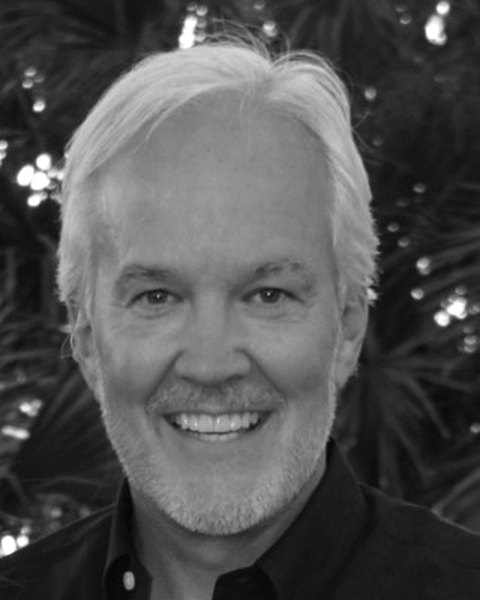
Portrait of Gregory A. Peters
Managing Partner

Gregory A. Peters

A founder, chairman and CEO with more than 25 years building and scaling infrastructure, telecommunications and technology companies, with business conducted in more than 96 countries.

  • Former President & CEO, Internap Network Services (NASDAQ: INAP), leading a restructuring that delivered 22× market capitalization growth
  • Presidential appointee to the National Infrastructure Advisory Council under Presidents Bush and Obama
  • Former Managing Director, Middle East & Africa, AT&T Network Systems

MBA and MIM, Thunderbird School of Global Management

Portrait of Justin Conway
Partner · Conway Eader

Justin T. Conway

Founding partner of Conway Eader, focused on corporate formation, business transactions and finance. Justin drafts and negotiates mergers and acquisitions for public and private companies, executes capital raises, and serves as outside general counsel to growing businesses.

  • Mergers & acquisitions and corporate transactions
  • Capital raises and investor matters
  • State, federal and appellate briefing experience

J.D. cum laude, University of Georgia School of Law · B.A. Economics magna cum laude, Connecticut College

Portrait of Ted Eader
Managing Attorney · Conway Eader

Granison “Ted” Eader

Founding partner and managing attorney of Conway Eader, leading the firm's dispute practice. Ted has tried matters in state and federal court, handles administrative and arbitration proceedings, and builds intellectual property protection strategies.

  • Litigation: contract, construction, employment and IP disputes
  • Patents, trademarks, copyright and licensing
  • Coordination with co-counsel across jurisdictions

J.D. cum laude, University of Georgia School of Law · B.S. Chemistry magna cum laude, University of Mississippi

Our principals have built central office, network and data center facilities in more than 96 countries, including the operation of 42 data centers owned and operated by Internap.

Visit Conway Eader →

Request a Briefing

Begin a confidential conversation

Tribal leaders and counsel, developers, utilities and public officials are welcome. Every inquiry is handled by a principal.

Ponte Vedra BeachFlorida
AtlantaGeorgia · Conway Eader, Attorneys at Law
Inquiriesinquiries@tribalphoenix.com
Submitting this form does not create an attorney-client relationship. Please do not send confidential information until an engagement is in place.